Demystifying Offshore Firm Formations: How They Operate and What to Expect
Offshore firm formations can seem facility and enigmatic. Offshore Company Formations. These entities, often developed for tax obligation advantages and personal privacy, operate under special legal structures. Entrepreneurs might locate themselves navigating through a maze of laws and conformity requirements. Comprehending the complexities is vital for success. What are the real advantages? What are the prospective pitfalls? A closer assessment exposes the subtleties that might affect decision-making significantly
Comprehending Offshore Firms: Types and meanings
Offshore companies are entities developed in a territory beyond a person's or company's key nation of residence, commonly for functions associated with tax optimization, possession security, or governing benefits. These firms can take various types, including minimal obligation firms (LLCs), worldwide service firms (IBCs), and offshore counts on. Each kind offers particular features and interest different needs.
Restricted responsibility business give owners with security from personal responsibility, while worldwide organization companies are prominent for their versatility and very little reporting requirements. Offshore depends on, on the other hand, are made use of mainly for estate preparation and possession security.
The option of territory greatly affects the firm's procedures, as some areas supply extra desirable legal structures and privacy defenses. Offshore Company Formations. Comprehending the differences in between these types is essential for people and companies thinking about overseas frameworks, as each alternative lugs various ramifications for governance and conformity
The Benefits of Establishing an Offshore Company
Establishing an overseas firm can offer various advantages, particularly for those seeking to enhance their economic methods and shield their assets. One considerable benefit is tax optimization; many jurisdictions provide desirable tax obligation prices or exemptions, permitting organizations to keep even more revenues. In addition, overseas companies can supply a layer of personal privacy, protecting the identities of proprietors and shareholders from public examination.
One more benefit is property protection. By placing assets in an overseas entity, people can guard their riches from possible lawful claims or political instability in their home nations. This structure additionally facilitates worldwide business procedures, allowing easier access to global markets and diverse customers.
The establishment of an overseas company can enhance credibility and status, appealing to customers who value global service practices. Overall, these benefits make offshore business formations an attractive option for companies and individuals aiming for economic development and safety.
Secret Factors To Consider Prior To Creating an Offshore Entity
Before forming an offshore entity, several crucial aspects should be evaluated. Lawful conformity needs, tax ramifications and advantages, in addition to jurisdiction selection, play a considerable function in the decision-making procedure. Understanding these considerations can aid people and companies browse the complexities of overseas company formations successfully.

Lawful Compliance Needs
When thinking about the formation of an offshore entity, comprehending legal compliance demands is vital to assure adherence to both local and global regulations. Possible company owner have to acquaint themselves with guidelines governing business registration, reporting commitments, and functional criteria in the selected territory. This includes confirming the lawful demands for investors and directors, in addition to making certain compliance with anti-money laundering (AML) and know-your-customer (KYC) regulations. Furthermore, organizations need to continue to be aware of any licensing demands specific to their market. Involving local legal and financial specialists can give valuable understandings, ensuring that all needed paperwork is prepared and submitted appropriately. Ultimately, comprehensive understanding of lawful compliance helps mitigate threats and promotes a sustainable overseas operation.
Tax Effects and Benefits
Countless company owner think about the tax obligation implications and benefits of forming an offshore entity as an important element in their decision-making process. Offshore firms can provide significant tax obligation benefits, such as minimized company tax prices, exception from certain local tax obligations, and the capability to postpone tax obligations on foreign income. These advantages can bring about improved success and capital, making offshore structures appealing for international service operations. Additionally, the possibility for tax obligation treaties might further decrease tax obligation responsibilities. However, it is necessary for organization owners to recognize the complexities included, including compliance with both worldwide and neighborhood tax obligation regulations. Involving with tax specialists is suggested to browse these ins and outs successfully and ensure excellent tax obligation planning approaches.
Territory Selection Factors
What variables should one think about when picking a territory for offshore business development? Trick considerations include tax efficiency, governing environment, and political stability. Jurisdictions with beneficial tax regimes can greatly impact profitability. The governing landscape ought to provide flexibility and ease of conformity, enabling effective business operations. Political stability is essential, as it ensures the safety of assets and continuity of operations. In addition, the credibility of the territory can affect customer trust and company connections. Accessibility to banking solutions and the schedule of professional support solutions are additionally vital. Ultimately, recognizing regional regulations concerning privacy, websites possession, and coverage needs is vital to identify that the offshore entity lines up with business owner's objectives and lawful Your Domain Name commitments.
The Refine of Setting Up an Offshore Company
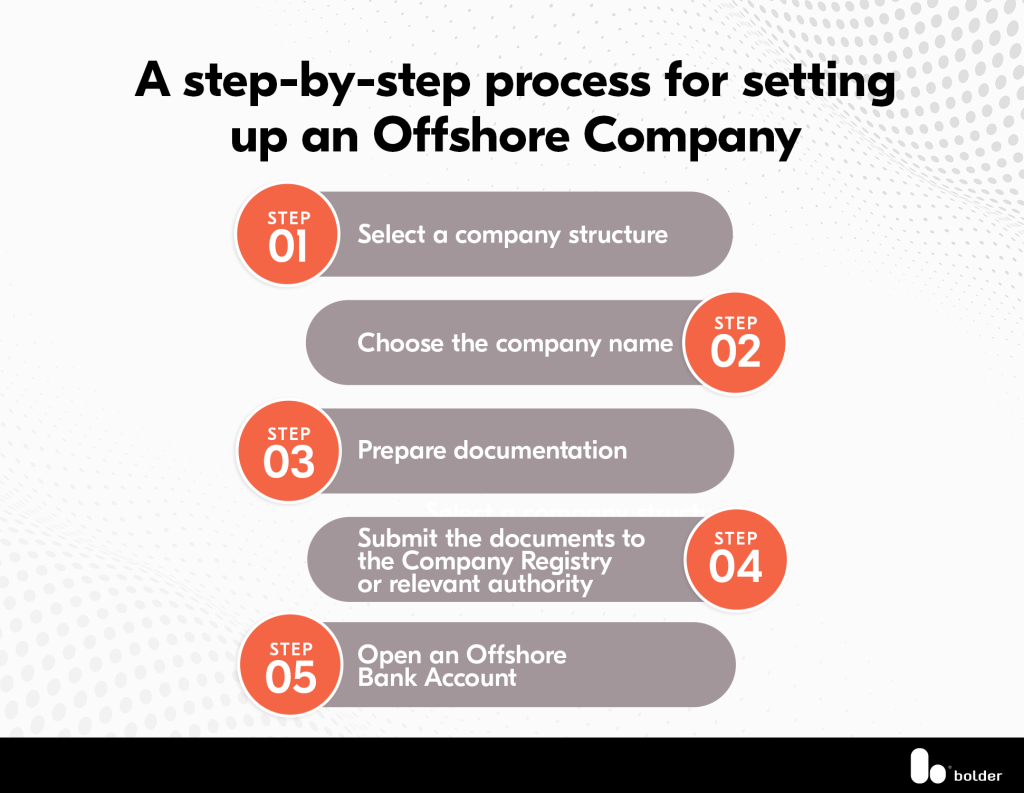
Establishing an offshore company involves a series of critical actions that call for mindful planning and compliance with global regulations. Initially, a private should pick an ideal jurisdiction that straightens with their organization purposes and offers desirable tax benefits. Following jurisdiction selection, the following step is to choose a special business name and prepare the necessary paperwork, consisting of short articles of unification and shareholder contracts.
Once the paperwork prepares, it has to be sent to the relevant authorities together with the required costs. After authorization, the business will certainly obtain a certification of unification, officially establishing its legal existence. The specific have to then open a business checking account to facilitate economic purchases.
Maintaining an offshore firm involves sticking to recurring compliance demands, such as annual reporting and tax obligation commitments, which differ by territory. As a result, understanding each action is important for an effective overseas business formation.
Legal and Governing Structure for Offshore Firms
While developing an offshore business can provide significant advantages, it is essential to navigate with the complex lawful and governing framework that governs such entities. Each territory has its own collection of regulations that determine everything from company formation to taxation and compliance requirements. These laws are developed to stop illegal tasks, such as money laundering and tax evasion, and typically need complete paperwork and openness.
Crucial element of this framework consist of the need of assigning neighborhood supervisors, preserving a licensed office, and sticking to annual reporting obligations. Additionally, many jurisdictions enforce details licensing needs for certain company tasks. Comprehending these legal stipulations is crucial for making sure conformity and mitigating dangers related to penalties or lawful disagreements. Engaging with legal experts who specialize in offshore business can assist in steering through this detailed landscape, ultimately helping with a effective and compliant offshore company operation.
Common Misunderstandings About Offshore Business
Lots of individuals hold misconceptions concerning offshore companies, typically equating them with tax obligation evasion and unlawful activities. Nonetheless, it is vital to recognize that these entities can operate legally within a framework developed for legitimate service practices. Clearing up the lawful standing of overseas business can aid eliminate these misconceptions and promote a much more exact understanding of their function.
Tax Evasion Myths
In spite of the growing appeal of overseas business, misunderstandings about their usage for tax evasion continue. Numerous individuals mistakenly think that developing an offshore entity is exclusively a method to avoid tax obligations. Offshore business are frequently made use of for genuine purposes, such as property protection, worldwide company development, and financial investment diversification. The perception that all offshore activities equate to immoral tax evasion ignores the complexities of international tax obligation policies and conformity needs. In addition, the vast bulk of offshore territories have actually applied actions to combat tax evasion, advertising openness and information exchange. This mischaracterization can prevent legitimate services and financiers from exploring the possible benefits of overseas business formations while perpetuating an unfavorable stigma bordering these entities.
Legal Status Clarified
The lawful condition of offshore firms visit homepage is frequently misunderstood, causing a variety of false impressions. Many think these entities run in a lawful grey area, presuming they are unethical or naturally illegal. In truth, overseas firms are genuine organizations created under the regulations of certain jurisdictions, made for various factors, consisting of possession protection and market development. Another common mistaken belief is that overseas companies escape tax obligations totally; nonetheless, they go through the laws and tax obligation commitments of their home nations. In addition, some people believe that overseas firms can be easily manipulated for cash laundering or prohibited activities. While misuse can take place, a lot of territories impose rigorous conformity and openness laws to alleviate such dangers, guaranteeing that overseas firms operate within lawful structures.
Taking care of and Operating Your Offshore Firm Successfully
Successfully managing and running an overseas business requires a critical strategy that stabilizes compliance with local guidelines and the pursuit of business objectives. Successful overseas administration entails comprehending the territory's tax regulations, reporting requirements, and functional regulations. Utilizing local specialists, such as accounting professionals and legal consultants, can offer vital insights into traversing these intricacies.
Additionally, developing clear interaction channels and operational protocols is important for preserving effectiveness. Making use of technology for job administration and collaboration can boost productivity, while normal efficiency examines guarantee positioning with tactical goals.
Furthermore, maintaining durable financial documents is essential, as openness promotes trust with stakeholders and abide by global requirements. Being adaptable to adjustments in legislation or market problems permits offshore business to pivot effectively, assuring long-term sustainability and development. By sticking to these principles, entrepreneur can maximize the advantages of their overseas ventures while mitigating risks.
Often Asked Questions
How Much Does It Expense to Preserve an Offshore Company Annually?
The price to preserve an offshore firm annually varies substantially, commonly varying from $1,000 to $5,000, relying on jurisdiction, services needed, and conformity commitments. It is essential to think about added costs for details needs.
Can I Open a Checking Account for My Offshore Firm Remotely?
Opening up a savings account for an offshore business from another location is generally possible. Nevertheless, needs might differ by territory, commonly requiring documentation and verification procedures, which can complicate the remote application experience for people.
Are There Specific Countries Understood for Easier Offshore Company Formations?
Specific countries, such as Belize, Seychelles, and the British Virgin Islands, are renowned for their streamlined procedures and positive guidelines relating to overseas business developments, attracting business owners looking for efficiency and confidentiality in business operations.
What Sorts of Businesses Are Finest Fit for Offshore Business?
Certain services, such as e-commerce, investment, and working as a consultant companies, commonly take advantage of overseas business because of tax benefits, personal privacy, and regulative versatility - Offshore Company Formations. These entities generally flourish in territories that promote positive service environments
Just How Can I Ensure Compliance With Local Regulations When Operating Offshore?
To guarantee compliance with local laws when running offshore, it is vital to involve lawful specialists, carry out extensive research on territory regulations, and maintain transparent financial documents, thus decreasing dangers related to non-compliance.
Comments on “How Long Do Offshore Company Formations Really Take? Timelines Explained”